Guide
Christmas party games for adults that actually get played
Most adult Christmas parties stall after the food comes out. A short, clearly timed game block gives people something to do without turning the night into a forced activity session.
The games that work in a living room have three things in common: you can explain them in under a minute, people can play standing or sitting, and you can put the cards down the moment conversation is going well. Competitive party games with long rule sheets tend to split the room into players and watchers.
Start with a low-pressure icebreaker
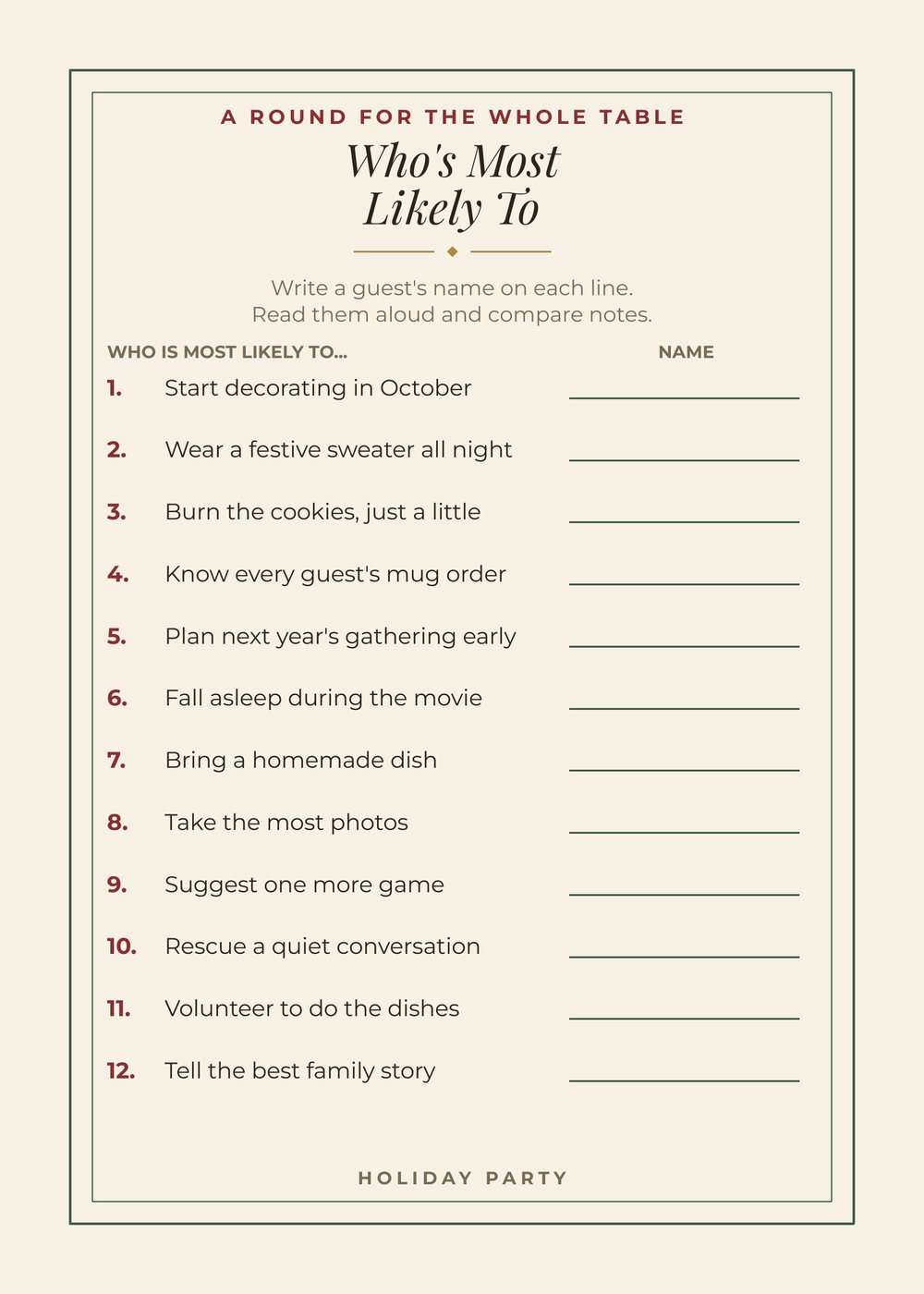
Who's Most Likely To is the easiest open. One person reads a prompt, everyone points, you move on. There are no teams and no prize required. Twelve prompts is plenty. If you have more than about a dozen guests, pass the card around so more people get to read. Keep the prompts kind, especially if mixed ages or coworkers are in the room.
Play a round of holiday bingo
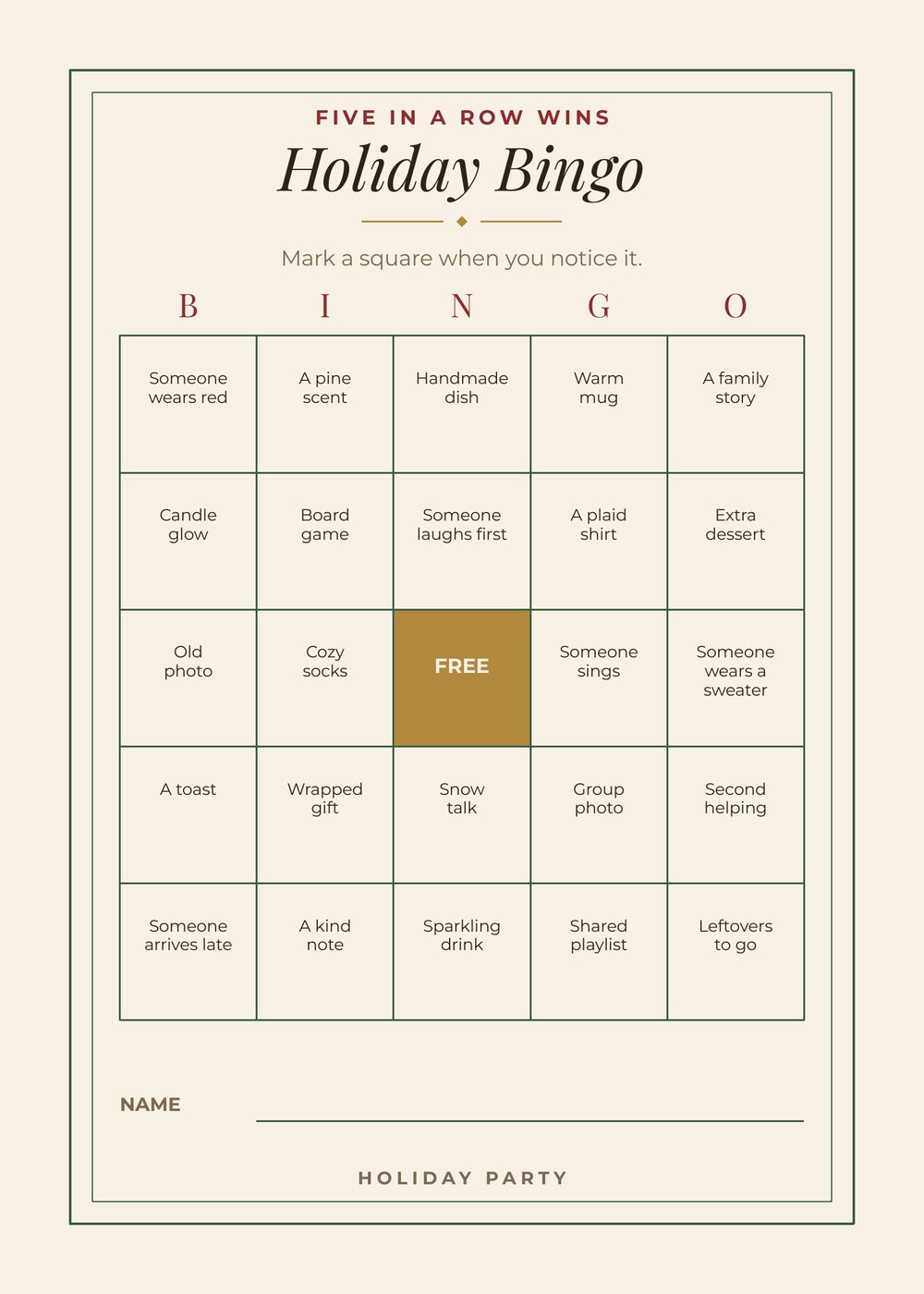
A pre-filled holiday bingo card is useful when you do not want to spend the first 10 minutes watching people write in squares. Hand out cards and a pen, or use leftover wrapped candies as markers. Call everyday holiday items and moments — a bad sweater, a carol someone starts and cannot finish, a dessert that involves peppermint — and play to one line.
Stop after the first winner if the room is ready to talk again. You can offer a blackout round later, but you do not have to. Keep a second game ready so bingo is not the only plan.
Get people moving with an indoor scavenger hunt
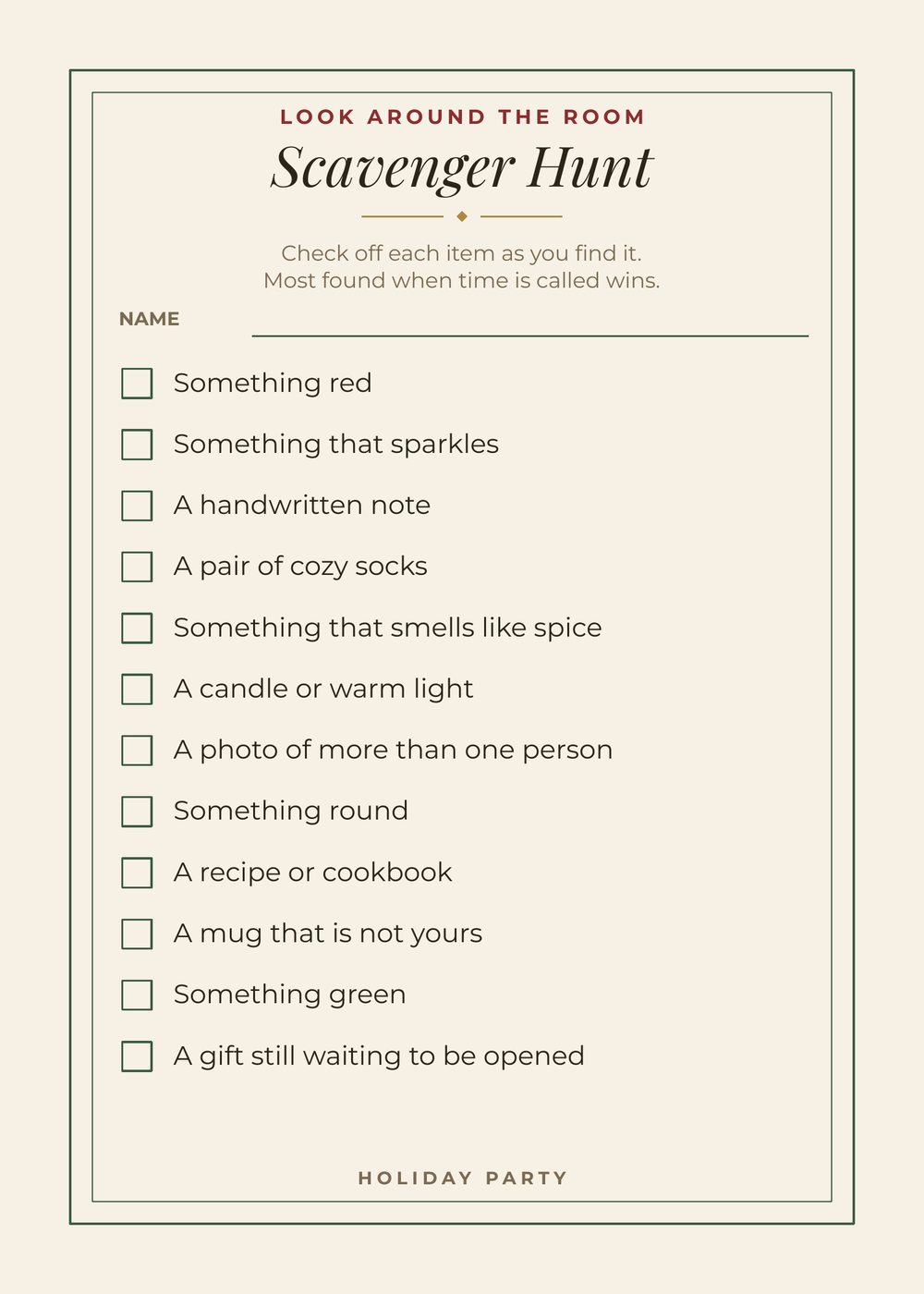
In December, a 12-prompt indoor hunt is more reliable than an outdoor one. Write or print prompts that work in a normal house or apartment: something red and shiny, a receipt from this year, a photo from a past Christmas, a mug that is not yours. Send people out in pairs so no one is wandering the hallway alone.
Call time at 15 or 20 minutes. Waiting for a perfect 12 just makes the last team feel slow. If some guests would rather stay on the couch, that is fine; do not draft them.
Save gift-exchange rules for the table
If you are doing a white elephant or ornament exchange, print the rules and put them next to the gift pile before anyone sits down. People argue less when the steal limit and the end of a turn are on a sign. Explain the rules once, then start.
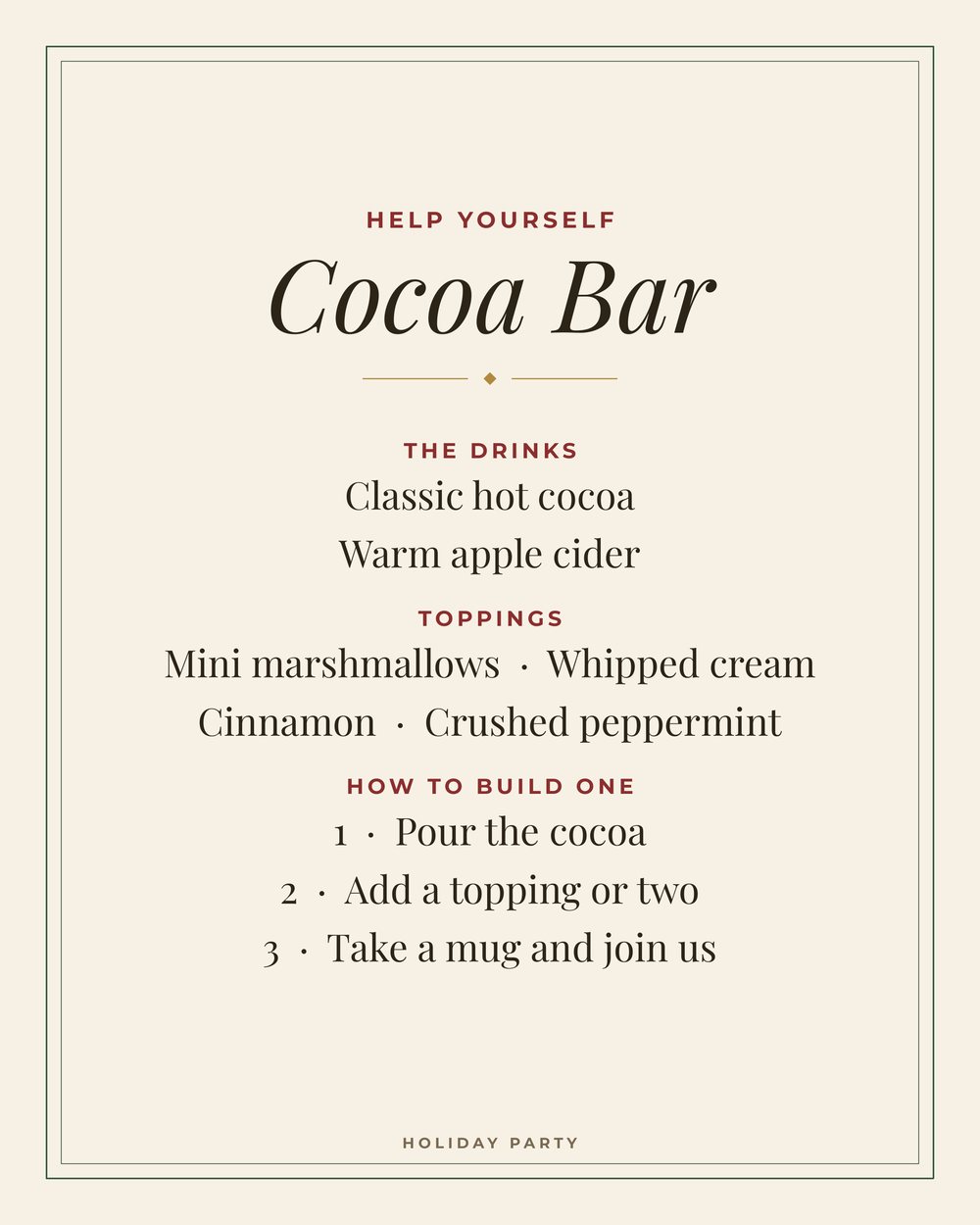
Trivia works later, after dessert, when people want to sit. Ten questions with an answer key is enough. Read the answers as you go so no one is holding a quiz like school. A cocoa or drink station, if you have one, should already be labeled by this point so you are not taking drink orders between questions.
For printing: cut 5 x 7 cards from a Letter home-print sheet with crop marks. Larger welcome signs, at 18 x 24 or 24 x 36 in, are easier to order as a poster or foam board at FedEx Office or Staples than to print at home.
A simple Christmas party game plan
Use this as a week-of checklist. The goal is one smooth hour of games, not a packed itinerary you have to police.
- Three days out: print the game cards on cardstock at 100% / actual size (not "fit to page"). If you have a home-print sheet, cut the 5 x 7 cards and clip a set per guest, plus a few extras.
- The day before: set out pens or markers, an optional small prize, and any drink or menu signs.
- First 15 minutes: put a welcome sign and name tags where late arrivals can find them without a host speech.
- After food: Who's Most Likely To (about 10 minutes), then holiday bingo (about 15 minutes).
- Next: the indoor scavenger hunt, 15 to 20 minutes, in pairs. First team back with 10 of 12 prompts is enough.
- After dessert, only if energy is still up: holiday trivia or the gift exchange. Read gift-exchange rules once, from a printed sign, before the first steal.
- Leave thank-you cards by the door, or send a group photo the next day.
Keep reading
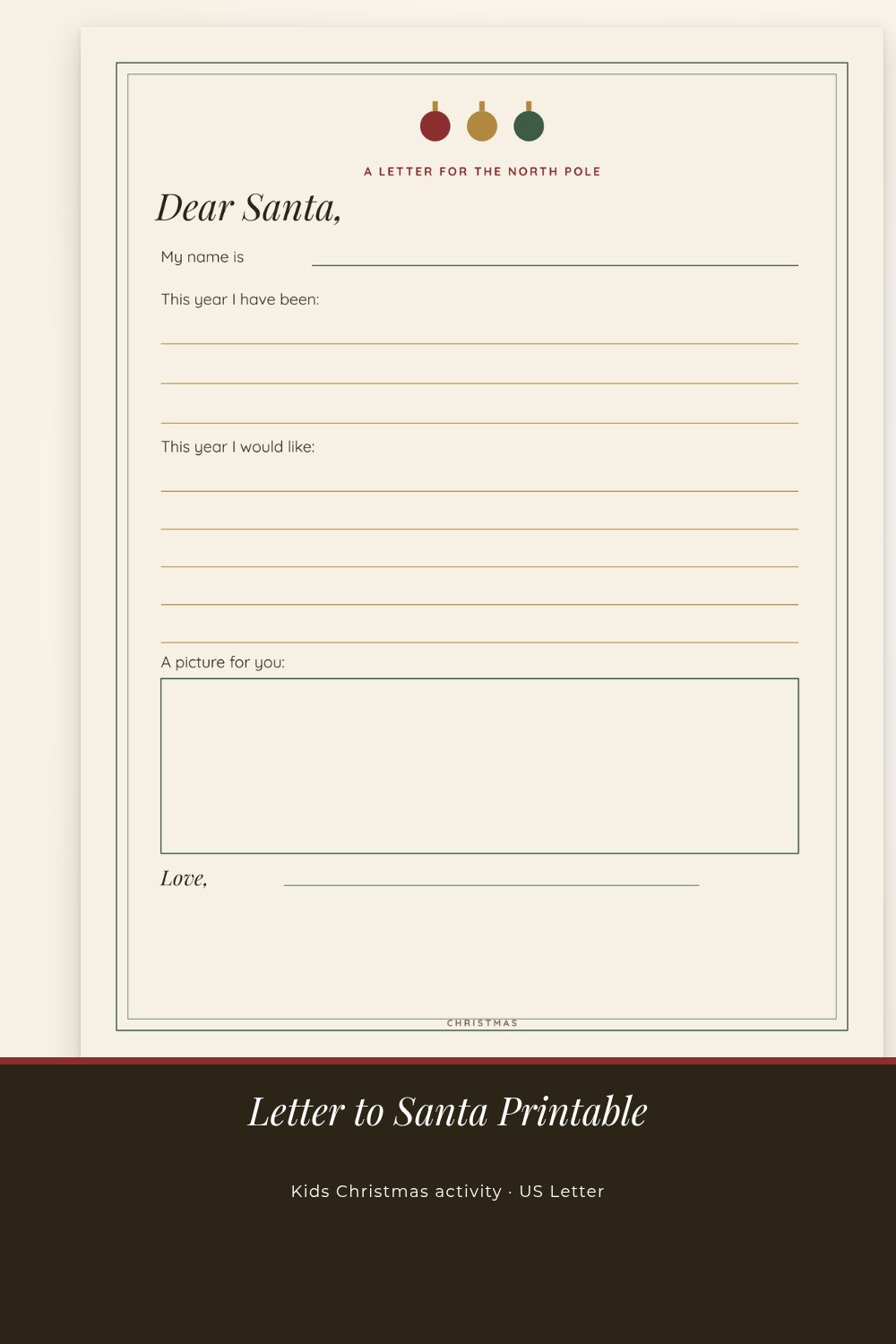
Kids Christmas activities you can print and spread across December
A December plan for printable kids Christmas activities: a letter to Santa, wish list, coloring pages, a word search, countdown chain, and a nice-list certificate.
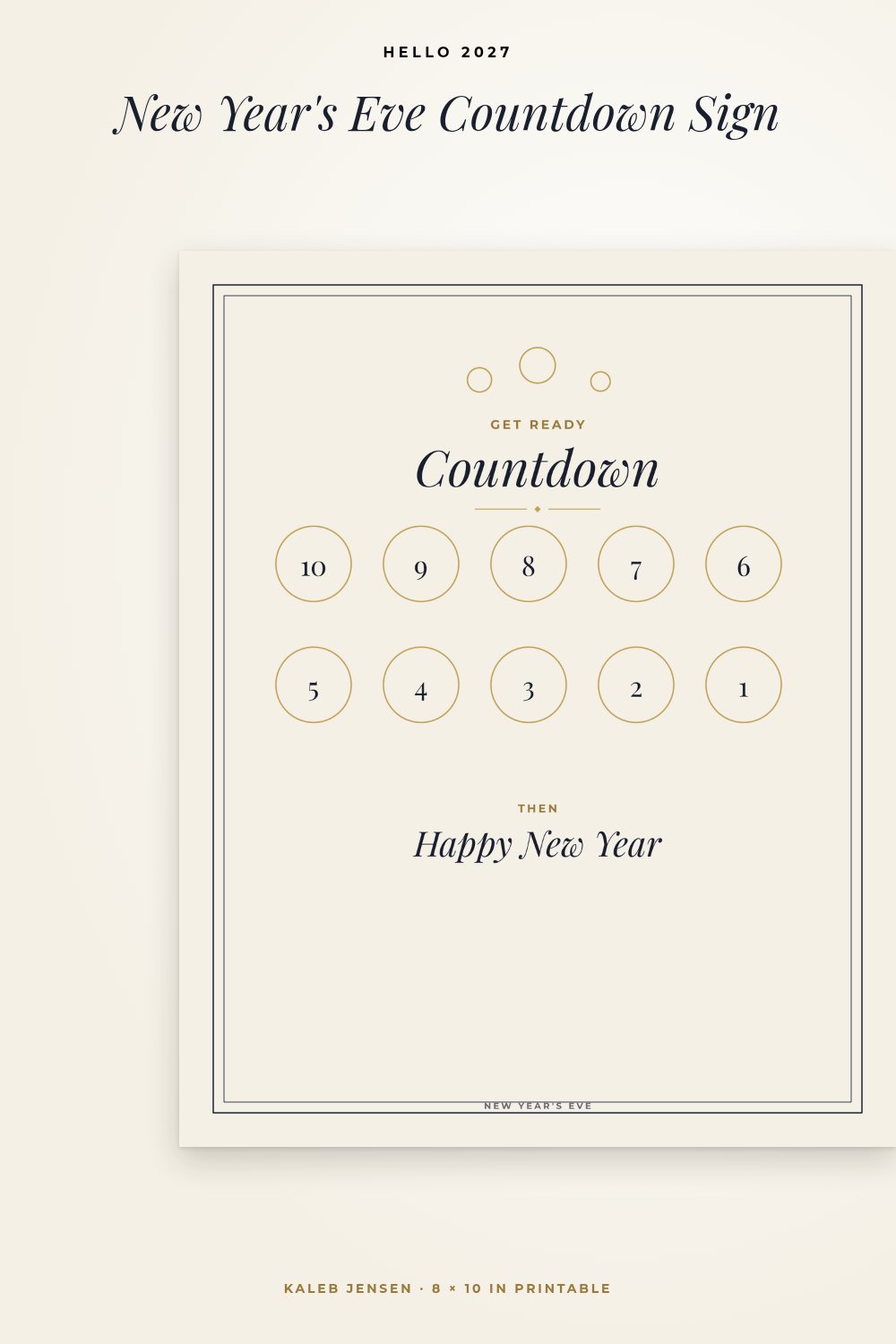
New Year's Eve party ideas at home, without a huge production
A living-room plan for New Year's Eve at home: a visible countdown, a simple bar menu, short games, and a realistic timeline from 8:30 p.m. to midnight.